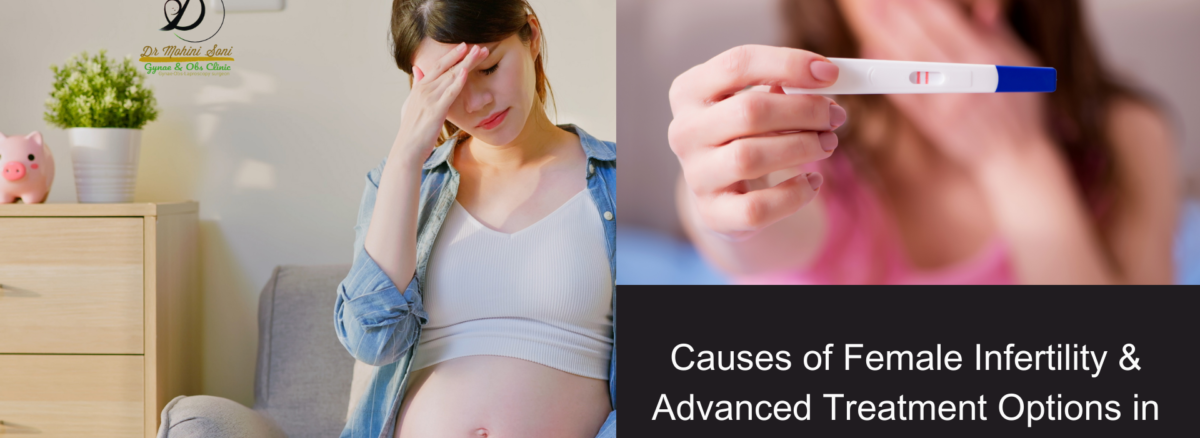
Trying to get pregnant and not seeing results month after month can be deeply upsetting. Along with physical concerns, many women experience anxiety, self-blame, and emotional exhaustion. If this feels familiar, know this first — you are not alone, and infertility is far more common than most people realise.
The encouraging news is that female infertility is often treatable, especially when identified early. Understanding what may be affecting your fertility and knowing the advanced treatment options available in Delhi can help you move forward with confidence and hope.
What Is Female Infertility?
Female infertility is defined as difficulty in conceiving despite regular, unprotected intercourse:
- After one year of trying, if the woman is under 35
- After six months, if the woman is 35 or above
Infertility may be temporary or ongoing, but timely medical evaluation greatly improves the chances of successful treatment.
Common Causes of Female Infertility
1. Ovulation Disorders
Ovulation problems are one of the most common reasons women face difficulty conceiving. If the ovaries don’t release eggs regularly, pregnancy becomes challenging.
Common causes include:
- Polycystic Ovary Syndrome (PCOS)
- Hormonal imbalances
- Thyroid disorders
- High prolactin levels
2. Irregular Menstrual Cycles
Periods that are too frequent, too delayed, or unpredictable often signal hormonal imbalance, which can affect ovulation and egg quality.
3. Blocked or Damaged Fallopian Tubes
Fallopian tubes play a vital role in fertilisation. If they are blocked or damaged, sperm and egg cannot meet.
This may result from:
- Pelvic inflammatory disease (PID)
- Past infections
- Previous abdominal or pelvic surgeries
- Tuberculosis (relatively common in India)
4. Endometriosis
Endometriosis occurs when tissue similar to the uterine lining grows outside the uterus. It can interfere with:
- Egg quality
- Implantation
- Normal pelvic anatomy
Many women with endometriosis experience painful periods along with infertility.
5. Age-Related Fertility Decline
As women age, especially after 35, fertility naturally declines due to reduced egg quality and quantity. While age is an important factor, treatment options are still available.
6. Uterine Conditions
Structural issues inside the uterus can affect implantation, including:
- Fibroids
- Polyps
- Congenital uterine abnormalities
- Scar tissue (adhesions)
7. Lifestyle & Health Factors
Everyday habits also play a role in fertility, such as:
- Being overweight or underweight
- Smoking or alcohol use
- Chronic stress
- Poor nutrition
- Inadequate sleep
Small lifestyle changes can often make a big difference.
How Female Infertility Is Diagnosed
Fertility evaluation is gentle, step-by-step, and personalised. It may include:
- Detailed medical and menstrual history
- Blood tests to assess hormones
- Ultrasound to examine ovaries and uterus
- Ovulation tracking
- Tubal patency tests
- Hysteroscopy or laparoscopy (if required)
Early diagnosis helps identify the cause and choose the least invasive and most effective treatment.
Advanced Treatment Options for Female Infertility in Delhi
Delhi offers access to experienced fertility specialists and advanced reproductive technologies.
1. Ovulation Induction
Medications help stimulate ovulation in women who ovulate irregularly or not at all.
2. Hormonal Therapy
Hormone regulation improves cycle regularity, ovulation, and uterine health.
3. Intrauterine Insemination (IUI)
A simple and painless procedure where prepared sperm is placed directly into the uterus to increase fertilisation chances.
4. In Vitro Fertilisation (IVF)
Eggs are fertilised in a lab and healthy embryos are transferred to the uterus. IVF is effective for:
- Blocked fallopian tubes
- Severe endometriosis
- Age-related infertility
- Repeated treatment failures
5. ICSI (Intracytoplasmic Sperm Injection)
A single healthy sperm is injected into an egg — often helpful when male infertility is also involved.
6. Laparoscopic & Hysteroscopic Surgery
Minimally invasive procedures help correct:
- Fibroids
- Endometriosis
- Tubal blocks
- Uterine abnormalities
These surgeries often improve both natural conception and IVF success.
7. Fertility Preservation
Egg freezing allows women to preserve fertility for future pregnancy due to medical, personal, or professional reasons.
When Should You See a Fertility Specialist?
Consider consulting a specialist if:
- You’ve been trying for over a year
- You’re above 35 and trying for six months
- You have irregular or absent periods
- You’ve experienced repeated miscarriages
- You’ve been diagnosed with PCOS, fibroids, or endometriosis
Early consultation often means simpler treatment and better outcomes.
Why Choose Advanced Infertility Treatment in Delhi?
Delhi offers:
✔ Experienced gynecologists and IVF specialists
✔ Advanced diagnostic and surgical facilities
✔ Personalised, ethical treatment plans
✔ High success rates
✔ Emotional and medical support throughout the journey
Conclusion
Female infertility can feel overwhelming, but it is not the end of your story. With early diagnosis, the right medical guidance, and access to advanced fertility treatments, many women go on to achieve successful pregnancies.
If you’re struggling to conceive, remember — help is available, and hope is real. Consulting an experienced fertility specialist in Delhi can bring clarity, reassurance, and renewed confidence on your journey toward motherhood.
FAQs
1. Is female infertility always permanent?
No, many causes are temporary and treatable.
2. Can PCOS-related infertility be treated?
Yes, with lifestyle changes, medications, and fertility treatments.
3. Does age affect fertility significantly?
Yes, fertility declines after 35, but treatment options are still available.
4. Is IVF the first treatment option?
No, many women conceive with simpler treatments before IVF is needed.
5. Can lifestyle changes really improve fertility?
Yes, healthy habits and stress management can positively impact fertility.
Leave feedback about this