Pelvic pain, irregular periods, heavy bleeding, and fertility concerns are common symptoms of uterine fibroids, ovarian cysts, and endometriosis. Many women delay treatment due to fear of major surgery and long recovery time.
The good news is that minimally invasive gynaecological treatments now offer safer, faster, and less painful solutions for these conditions.
If you are searching for the best treatment for fibroids, ovarian cyst removal without open surgery, or advanced endometriosis treatment, this guide will help you understand your options.
Understanding the Conditions
Uterine Fibroids
Non-cancerous growths in the uterus that may cause:
- Heavy menstrual bleeding
- Pelvic pressure
- Frequent urination
- Infertility in some cases
Ovarian Cysts
Fluid-filled sacs in the ovary that can lead to:
- Lower abdominal pain
- Irregular periods
- Bloating
- Sudden severe pain if ruptured
Endometriosis
A painful condition where uterine lining tissue grows outside the uterus, causing:
- Severe menstrual cramps
- Chronic pelvic pain
- Pain during intercourse
- Difficulty conceiving
What Is Minimally Invasive Gynaecological Surgery?
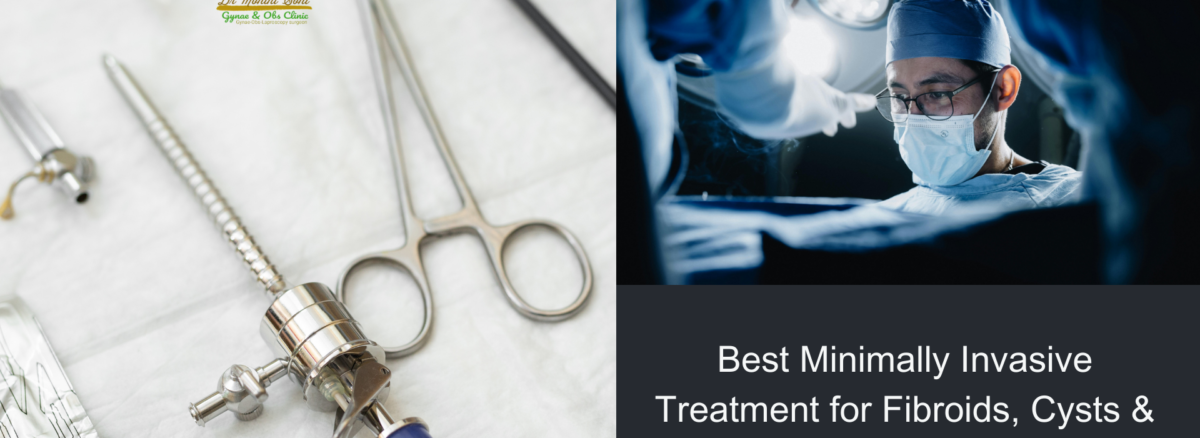
Minimally invasive surgery uses small incisions, a camera (laparoscope), and advanced instruments to treat gynaecological conditions with precision.
Unlike traditional open surgery, it offers:
- Smaller scars
- Less blood loss
- Shorter hospital stay
- Faster recovery
- Reduced post-surgery pain
Best Minimally Invasive Treatment Options
Laparoscopic Myomectomy (For Fibroids)
This procedure removes fibroids while preserving the uterus. It is ideal for women planning pregnancy.
Benefits:
- Maintains fertility
- Minimal scarring
- Quick recovery (2–3 weeks)
Laparoscopic Ovarian Cyst Removal
Suitable for persistent or large cysts. The cyst is removed without affecting healthy ovarian tissue.
Benefits:
- Preserves ovarian function
- Less post-operative pain
- Short hospital stay
Laparoscopic Surgery for Endometriosis
Advanced laparoscopy helps remove endometrial implants and scar tissue, improving pain and fertility outcomes.
Benefits:
- Significant pain relief
- Better chances of conception
- Lower recurrence when treated early
When Is Open Surgery Needed?
While minimally invasive treatment is preferred, open surgery may be recommended in cases of:
- Very large fibroids
- Extensive adhesions
- Suspicion of cancer
- Emergency complications
An expert gynaecologist evaluates your condition through ultrasound, MRI, and clinical examination before recommending the safest approach.
Why Early Consultation Matters
Ignoring symptoms like heavy bleeding, chronic pelvic pain, or irregular cycles can worsen the condition. Early diagnosis allows doctors to choose less invasive and more effective treatments.
Modern women’s healthcare focuses on:
- Fertility preservation
- Faster healing
- Reduced complications
- Improved quality of life
Recovery After Minimally Invasive Surgery
Most women:
- Walk within 24 hours
- Return home in 1–2 days
- Resume routine work in 2–3 weeks
Following medical advice, proper rest, and follow-up consultations ensure smooth recovery.
Conclusion
The best minimally invasive treatment for fibroids, cysts, and endometriosis depends on your age, fertility goals, severity of symptoms, and overall health.
With advancements in laparoscopic gynaecological surgery, women no longer need to fear long scars or extended hospital stays. Consulting an experienced specialist ensures personalized treatment and safer outcomes.
FAQs
1. Can fibroids be removed without removing the uterus?
Yes, laparoscopic myomectomy removes fibroids while preserving the uterus.
2. Is laparoscopic surgery painful?
Pain is significantly less compared to open surgery, and recovery is much faster.
3. How long does it take to recover from ovarian cyst removal?
Most women recover within 2–3 weeks after laparoscopic cyst removal.
4. Can endometriosis be completely cured?
Endometriosis can be effectively managed and symptoms reduced, but long-term monitoring may be needed.
5. Is minimally invasive surgery safe for women planning pregnancy?
Yes, in many cases it improves fertility outcomes by treating underlying conditions.