Women facing conditions like fibroids, ovarian cysts, endometriosis, heavy menstrual bleeding, or chronic pelvic pain often worry about surgery. The most common question is: Is hysterectomy safer than laparoscopic surgery?
Understanding the difference between hysterectomy, open surgery, and laparoscopic surgery can help you make the right decision for your women’s health.
What Is a Hysterectomy?
A hysterectomy is a surgical procedure to remove the uterus. It may be recommended in cases of:
- Large uterine fibroids
- Severe endometriosis
- Chronic heavy menstrual bleeding
- Uterine prolapse
- Cancer-related conditions
Hysterectomy can be performed in different ways:
- Open abdominal surgery
- Laparoscopic (minimally invasive) surgery
- Vaginal hysterectomy
What Is Laparoscopic Surgery?
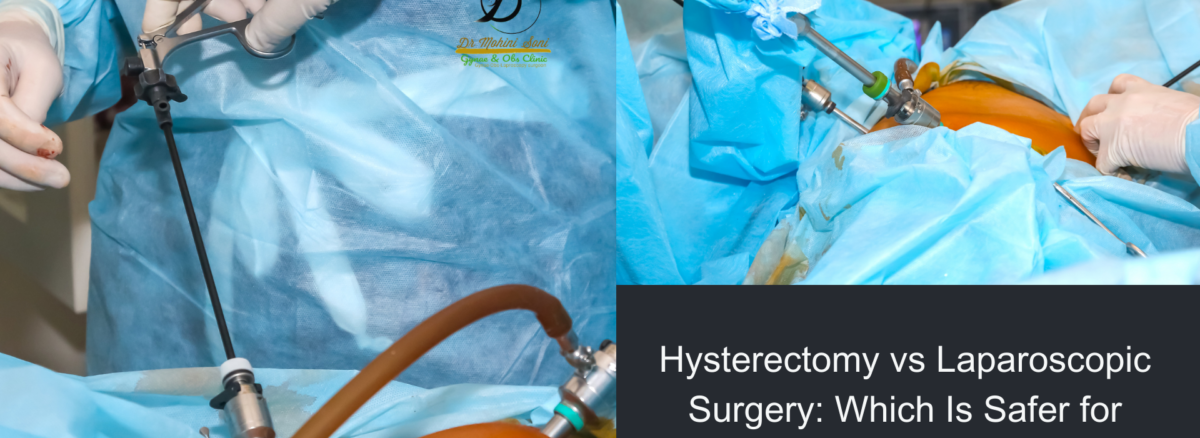
Laparoscopic surgery is a minimally invasive surgical technique where small incisions are made, and a camera (laparoscope) is inserted to guide the surgery.
It is commonly used for:
- Fibroid removal (myomectomy)
- Ovarian cyst removal
- Endometriosis treatment
- Laparoscopic hysterectomy
Which Is Safer?
In most cases, laparoscopic surgery is considered safer and more advanced because:
- Less blood loss
- Lower infection risk
- Faster recovery
- Minimal scarring
- Reduced post-operative pain
However, open surgery may be recommended in cases of:
- Very large fibroids
- Extensive adhesions
- Advanced cancer
The safest option depends on your diagnosis, overall health, and surgeon’s expertise.
When Is Hysterectomy Necessary?
Hysterectomy is usually recommended when:
- Other treatments have failed
- Symptoms severely affect daily life
- There is risk of cancer
- Family planning is complete
For younger women wishing to preserve fertility, doctors may suggest minimally invasive alternatives before considering hysterectomy.
Benefits of Minimally Invasive Gynaecological Surgery
- Quick return to normal routine
- Less hospital stay
- Reduced complications
- Better cosmetic results
- Improved quality of life
Modern women’s healthcare now focuses on safe, advanced, minimally invasive treatment options whenever possible.
Conclusion
When comparing hysterectomy vs laparoscopic surgery, remember they are not opposites. Hysterectomy is a treatment, while laparoscopy is a technique that makes surgery safer and less painful.
Consulting an experienced gynaecologist helps determine the most suitable and safest option based on your condition. Early diagnosis and expert consultation ensure better outcomes and faster recovery.
FAQs
1. Is laparoscopic hysterectomy safer than open hysterectomy?
Yes, in most cases laparoscopic hysterectomy has fewer complications, less pain, and faster recovery compared to open surgery.
2. How long does recovery take after laparoscopic surgery?
Most women recover within 2–3 weeks, depending on the procedure and overall health.
3. Will I have visible scars after laparoscopic surgery?
No, laparoscopic surgery involves very small incisions, resulting in minimal scarring.
4. Can fibroids be treated without hysterectomy?
Yes, many fibroids can be treated with myomectomy or minimally invasive procedures without removing the uterus.
5. When should I consult a gynaecologist for pelvic pain?
If pelvic pain, heavy bleeding, or irregular periods persist for more than two cycles, you should seek medical consultation.