For many women suffering from severe fibroids, heavy menstrual bleeding, chronic pelvic pain, or uterine prolapse, a hysterectomy may be recommended. However, the fear of major surgery and long recovery often causes anxiety.
Today, laparoscopic hysterectomy offers a minimally invasive, safer, and faster recovery option compared to traditional open surgery. Let’s understand how this advanced procedure supports better women’s health outcomes.
What Is Laparoscopic Hysterectomy?
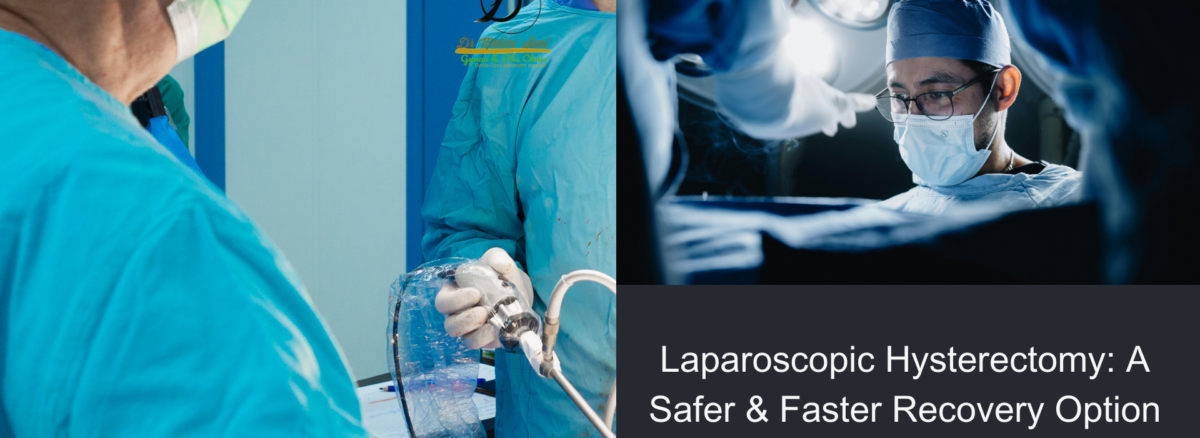
Laparoscopic hysterectomy is a surgical procedure where the uterus is removed through small keyhole incisions using a laparoscope (a thin camera) and specialised instruments.
Unlike open abdominal hysterectomy, this technique does not require a large cut, making it a preferred option in many non-cancerous gynaecological conditions.
When Is Laparoscopic Hysterectomy Recommended?
It may be advised in cases of:
- Large or multiple uterine fibroids
- Severe endometriosis
- Chronic heavy menstrual bleeding
- Adenomyosis
- Uterine prolapse
- Failed medical treatment
Your gynaecologist will evaluate your symptoms, ultrasound findings, age, and overall health before recommending surgery.
Benefits of Laparoscopic Hysterectomy
Faster Recovery
Most women resume daily activities within 2–3 weeks compared to 4–6 weeks in open surgery.
Less Post-Operative Pain
Smaller incisions result in reduced discomfort.
Minimal Scarring
Tiny incisions mean almost invisible scars.
Shorter Hospital Stay
Usually discharged within 1–2 days.
Lower Risk of Infection
Smaller wounds reduce complication risks.
Recovery Timeline
- Walking: Within 24 hours
- Discharge: 1–2 days
- Light activities: After 1 week
- Full recovery: 2–3 weeks
Following post-operative instructions, avoiding heavy lifting, and attending follow-up visits ensure smooth healing.
Is It Safe?
Yes, laparoscopic hysterectomy is considered safe and effective when performed by an experienced gynaecologist. However, safety depends on:
- Patient’s overall medical condition
- Size of the uterus
- Previous abdominal surgeries
- Surgeon’s expertise
In rare or complex cases, open surgery may still be required.
Who Is a Good Candidate?
You may be suitable for laparoscopic hysterectomy if:
- Childbearing is complete
- Symptoms significantly affect daily life
- Non-surgical treatments have failed
- No major surgical contraindications exist
Emotional & Hormonal Considerations
If ovaries are preserved, hormonal balance usually remains stable. If ovaries are removed, your doctor may discuss hormone management options.
Proper counselling before surgery helps women feel emotionally prepared and confident about their decision.
Conclusion
Laparoscopic hysterectomy has transformed women’s healthcare by offering a safer, less painful, and faster alternative to traditional open surgery. With modern technology and skilled surgical expertise, women can now manage serious gynaecological conditions with minimal disruption to their daily lives.
If heavy bleeding, fibroids, or pelvic pain are affecting your quality of life, consulting a gynecologist in vasant kunj can help you explore the safest treatment options.
FAQs
1. How long does laparoscopic hysterectomy take?
The procedure usually takes 1–3 hours, depending on complexity.
2. Will I experience menopause after hysterectomy?
Only if the ovaries are removed. If ovaries are preserved, hormonal function continues normally.
3. Is laparoscopic hysterectomy painful?
Pain is significantly less compared to open surgery and manageable with medication.
4. When can I return to work?
Most women return to routine work within 2–3 weeks.
5. Are there visible scars after laparoscopic hysterectomy?
Scars are very small and usually fade over time.